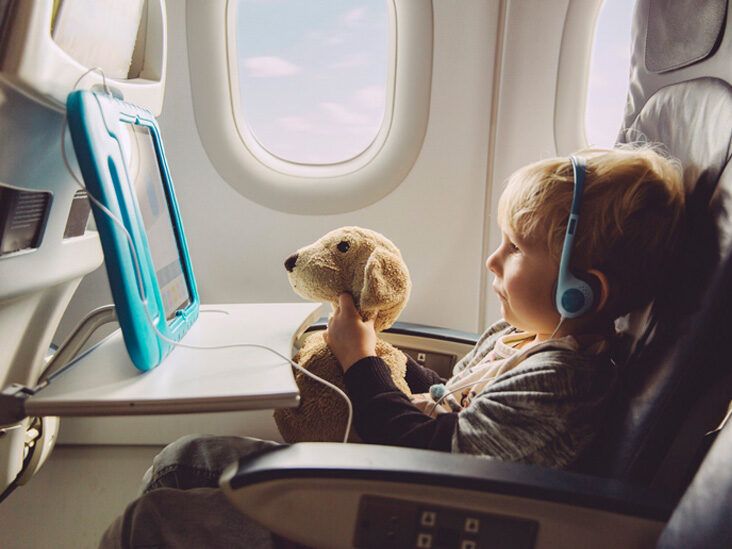
The Window Versus Aisle Dilemma: Matching Seats to Temperament
Picking airplane seats for a toddler requires balancing physical containment, quick access to the aisle, and personal space. For a solo parent traveling with one toddler, a window seat paired with the adjacent middle seat provides the cleanest boundary against wandering hands and flight attendant carts. Booking the right row layout before checking in prevents mid-flight wrestling matches and keeps essential gear within arm’s reach.
A window seat gives a toddler a fixed physical boundary, a visual distraction, and a solid wall to lean against during naptime. It stops small hands from reaching into the aisle where heavy service carts and passing passengers pose safety risks. However, if your child insists on walking every twenty minutes, trapped adults will struggle to let them out continuously without causing frustration.
An aisle seat gives you immediate access to the bathroom and space to stand up during quiet moments of the flight. The main trade-off is managing constant interference from passing passengers and keeping tiny elbows and knees inside your row width. Look closely at your child’s daily activity patterns to decide which side of the row fits best.
The Motion-Sensitive or Distracted Toddler
Children who settle down when looking at moving scenery thrive in window seats. The airframe wall offers a comfortable leaning point for naptime, and the window glass creates a flat anchor for suction toys or gel clings. You can block their exit path using your own body in the middle seat, keeping them safely isolated from cabin movement.
The Active or Potty-Training Toddler
If your toddler recently ditched diapers or refuses to sit still, choose the aisle seat. You will need to make frequent trips to the lavatory without crawling over a stranger every single hour. Securing the aisle allows quick escapes when a bathroom emergency strikes or when mood swings demand a short stroll down the aisle.
Why Bulkhead Seats Are a Mixed Bag for Toddlers
Bulkhead rows offer generous legroom and eliminate the risk of your toddler kicking the seat back in front of them. For parents carrying a heavy lap child, that extra floor space feels like a massive relief during boarding and long flight delays. You also avoid the common conflict of the passenger ahead of you reclining their seat directly into your toddler’s personal space.
The primary downside of the bulkhead row is the total lack of under-seat storage directly in front of you. Every single bag, snack pouch, water bottle, and toy must be stowed in the overhead bin for takeoff and landing. When a toddler demands a drink or comfort item while taxiing on the runway, you cannot reach under a seat to grab it.
Additionally, bulkhead seats feature fixed armrests that contain the tray tables, which reduces overall seat width and prevents your child from laying flat across your lap. The tray tables in these rows swing out from the armrest, creating awkward gaps where small toys and snacks frequently fall and vanish under the row. Weigh the physical relief of extra floor space against the constant hassle of overhead bin storage before locking in a bulkhead seat selection.
Tactical Seat Configurations for Two Parents and One Toddler
Traveling as a family of three gives you multiple options across standard three-seat row configurations. Placing the toddler between two parents contains the mess and allows both adults to share active supervisory duties throughout the flight. This standard layout works well for calm children, but alternative configurations exist for trickier travel dynamics.
The Window-Aisle Strategy on Three-Seat Rows
Some parents try to book the window and aisle seats in a three-seat row, leaving the middle seat unassigned in hopes no one claims it. On full flights, a stranger will inevitably occupy that middle seat, leaving your family split across an awkward seating gap. If you attempt this strategy, always prepare to offer the stranger your aisle or window seat so your family can sit together without friction.
Split Rows for Highly Energetic Children
For long-haul flights with a restless child, consider booking two aisle seats directly across from each other or one behind the other. This configuration allows parents to swap off primary duty shifts while giving each adult periods of genuine rest. The off-duty parent gets uninterrupted quiet time while the on-duty parent manages snacks, toys, and bathroom trips across the aisle.
Using Car Seats on Board and How They Dictate Seat Choice
Federal safety rules require FAA-approved car seats to be installed in window seats or middle seats where they do not block an evacuation route. You cannot install a car seat in an aisle seat or in any exit row under any circumstances. If you plan to bring your standard car seat onto the aircraft, your seating options are immediately limited by these strict safety guidelines.
A car seat keeps toddlers strapped into a familiar five-point harness, which stops them from standing up during turbulence or wriggling out of lap belts. However, a forward-facing car seat elevates your child’s feet, placing their shoes at the exact height to kick the seat ahead of them. If your child is a frequent kicker, book a seat directly behind a family member or select a bulkhead seat where no forward seat exists.
Check your car seat width against the seat dimensions of the specific aircraft model listed on your airline itinerary. Ultra-wide convertible car seats often fail to fit between standard economy armrests, forcing you to struggle during installation. Lighter, narrow travel car seats install much faster and fit easily inside standard economy seating frames.
Frequently Asked Questions
Should I pay extra to reserve seats ahead of time when flying with a toddler?
Yes, paying for advance seat selection ensures your family stays together and avoids being assigned random middle seats across the plane. Airlines try to seat young children with at least one parent, but automatic seating algorithms often split families on full flights. Securing your seats during booking eliminates last-minute panic at the boarding gate.
Can a toddler sit in an emergency exit row?
No, federal aviation regulations strictly prohibit children under fifteen years old from sitting in emergency exit rows. Airline gate agents and flight attendants will immediately relocate any family with young children assigned to exit seats. Avoid booking these rows entirely when traveling with toddlers to avoid boarding delays.
Is it better to sit at the front or back of the plane with a toddler?
Sitting near the back puts you closer to the rear lavatories and galley space where you can stand up without blocking main aisle traffic. However, sitting near the front allows you to deplane faster, which reduces waiting time for impatient young children after landing. Choose the front if quick deplaning is your priority, or the back if easy bathroom access matters more.
What happens if our assigned seats are changed by the airline?
If an aircraft swap or schedule change separates your family, speak with the gate agent as soon as you arrive at the departure gate. Gate agents have the authority to rearrange seating assignments before boarding begins to ensure parents sit next to young children. Bring printed copies of your original seat assignments to help them resolve the issue quickly.
Before booking your flight, pull up the specific aircraft seat map on a fleet lookup site to verify armrest flexibility and tray table setups for your exact flight number. Once you confirm your preferred seat layout, update your reservation immediately and take a screenshot of your seat assignments for quick reference on travel day.